Archives
- 2026-11
- 2026-10
- 2026-09
- 2026-08
- 2026-07
- 2026-06
- 2026-05
- 2026-04
- 2026-03
- 2026-02
- 2026-01
- 2025-12
- 2025-11
- 2025-10
- 2025-09
- 2025-04
- 2025-03
- 2025-02
- 2025-01
- 2024-12
- 2024-11
- 2024-10
- 2024-09
- 2024-08
- 2024-07
- 2024-06
- 2024-05
- 2024-04
- 2024-03
- 2024-02
- 2024-01
- 2023-12
- 2023-11
- 2023-10
- 2023-09
- 2023-08
- 2023-06
- 2023-05
- 2023-04
- 2023-03
- 2023-02
- 2023-01
- 2022-12
- 2022-11
- 2022-10
- 2022-09
- 2022-08
- 2022-07
- 2022-06
- 2022-05
- 2022-04
- 2022-03
- 2022-02
- 2022-01
Distribution of histamine receptors in the
2022-03-28
Distribution of histamine receptors in the intestines varies among species, but our findings are similar to those previously reported in humans and guinea pigs (Thurmond, 2010, Thurmond, 2015). H1 receptors were located mainly in the gastric mucosa, smooth muscle, and lymphoid tissue, corresponding
The transcription factor Nrf is a master regulator of
2022-03-28
The transcription factor Nrf2 is a master regulator of cytoprotective responses to endogenous and exogenous stresses caused by reactive oxygen species (ROS) and electrophiles [6]. Nrf2 promoter polymorphisms are significantly associated with the development of gastric mucosal inflammation, either in
Estradiol valerate Taken together our results indicate that
2022-03-28
Taken together, our results indicate that HSF1 and NRF2 reciprocally regulate HO-1 expression. Although each of HSF1 and NRF2 controls a distinct cytoprotective pathway, mounting evidence points that they engage in crosstalk [15,22]. The protein-protein interaction between HSF1 and NRF2 may be inter
Organisms can adapt to increasing ROS
2022-03-28
Organisms can adapt to increasing ROS production by up-regulating antioxidant defences, such as the activities of antioxidant enzymes (Livingstone, 2003). Failure of antioxidant defences to detoxify excess ROS production can lead to significant oxidative damage including enzyme inactivation, protein
We observed that the Toc
2022-03-28
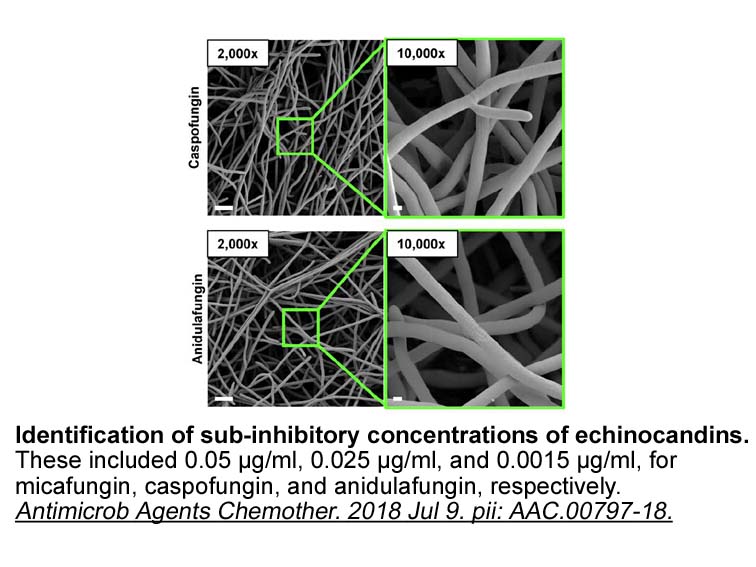
We observed that the Toc159G domain recognizes the N-terminal portion of the transit peptide of pSSU with a dissociation constant of 70 μM (Fig. 2; Table 1), while a tenfold higher KD was obtained for the phosphorylated C-terminal region. In turn, the homodimer of Toc34G recognizes the phosphorylate
br Materials and methods br Results Human
2022-03-28
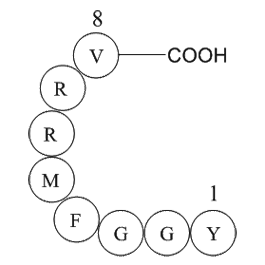
Materials and methods Results Human adipocytes, differentiated from fibroblastic preadipocytes in culture, were incubated with IL-33 for either 3 or 24 h to examine acute and prolonged responses to the cytokine. Low, medium and high concentrations of IL-33 were employed. IL-33 had no significa
In recent years several DPP IV
2022-03-28
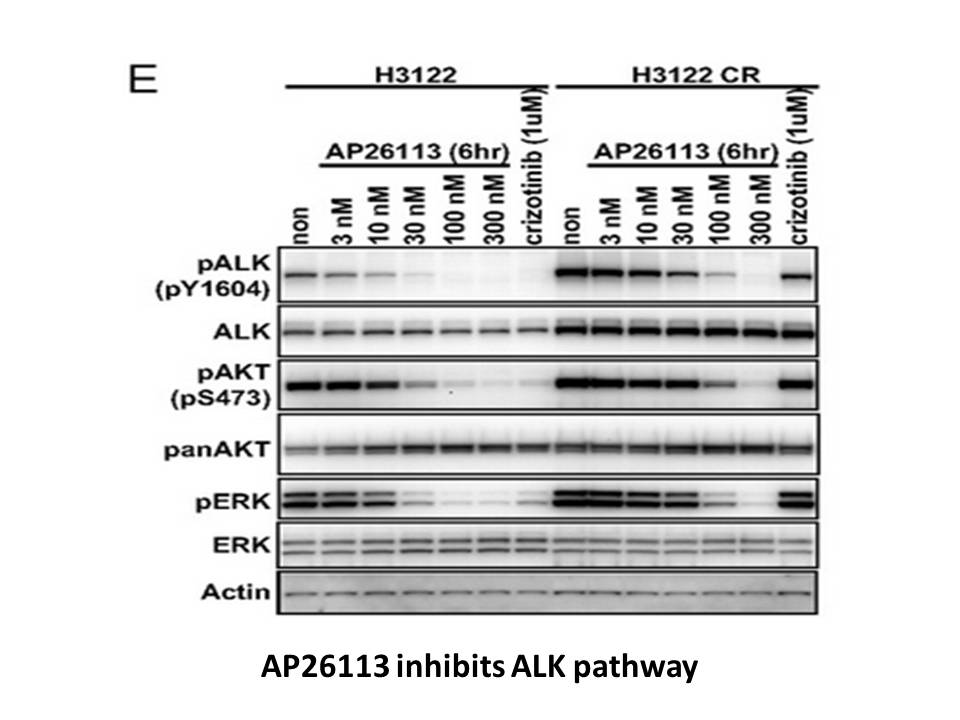
In recent years, several DPP-IV inhibitors have already been approved, such as sitagliptin, vildagliptin, saxagliptin, tenegliptin, alogliptin and linagliptin, etc. Among them, linagliptin (1, Fig. 1) is a non-peptide mimetic Liproxstatin-1 with a unique xanthine scaffold developed through high-thr
The mechanisms of action of MMF and DMF are
2022-03-28
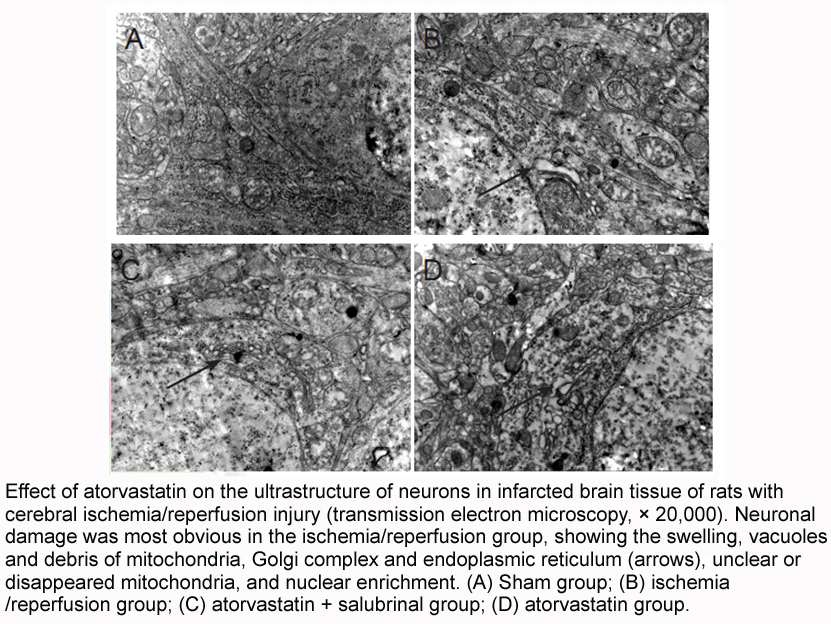
The mechanisms of action of MMF and DMF are not well understood, but a growing body of evidence has demonstrated that DMF may act on both the neurodegenerative and inflammatory response of MS patients. The majority of the data related to the mechanism of action of DMF/MMF demonstrates the associatio
Armed with this knowledge we looked
2022-03-28
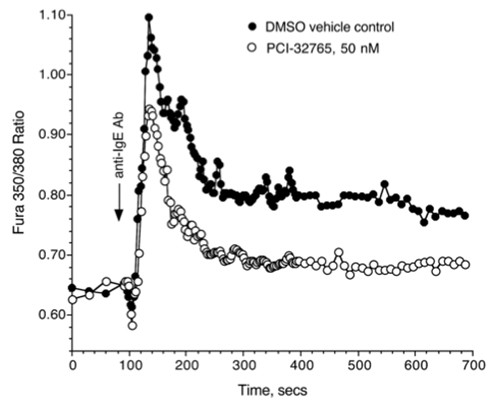
Armed with this knowledge, we looked at ways to reduce the log of through nitrogen incorporation while still maintaining potency via installation of ortho substituents such as chloro, methyl, bromo, and thiomethyl (). In general, pyridine analogs were less active ( vs ; vs ; vs ) than their simpl
Although it is mainly a glial protein of total GLT
2022-03-28
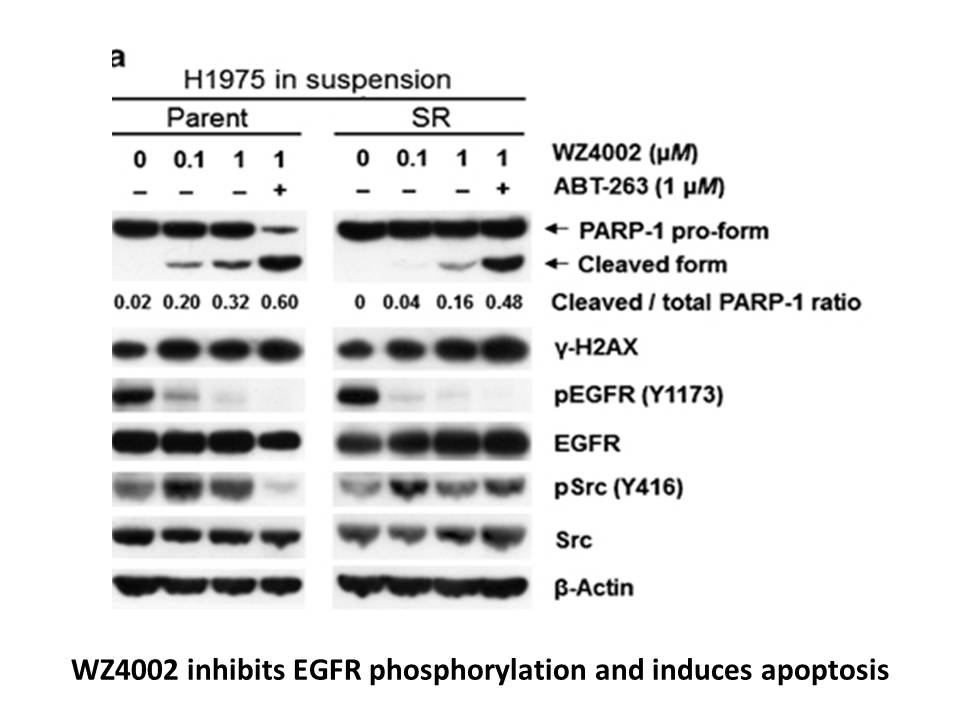
Although it is mainly a glial protein, 5–10% of total GLT-1 represents a neuronal form located at presynaptic terminals, but its physiological role remains elusive (for discussion, see (Rimmele and Rosenberg, 2016)). Nevertheless, this amount might be significant since GLT-1 has been estimated to be
br Acknowledgments We would like to acknowledge Jenna Hall
2022-03-26

Acknowledgments We would like to acknowledge Jenna Hall, Marita Rivir, Kathleen Smith, Joyce Sorrell, and Emily Yates for assistance with in vivo pharmacology studies. We would like to acknowledge Joe Chabenne and Steph Mowery for assistance with in vitro cell-based assays, and Patrick J. Knerr f
Immunohistochemistry analysis shown ghrelin and
2022-03-26
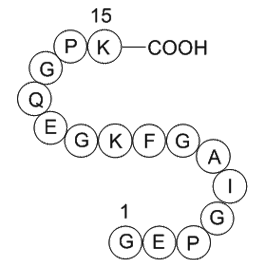
Immunohistochemistry analysis shown ghrelin and GHSR-1a immunostaining was located in the epithelial cells of Amodiaquine dihydrochloride dihydrate and ducts throughout the lactation, strong immunoreactive cells were detected in L30, L60 and L120 stage. The distribution of ghrelin has been shown in
br Discussion The model of a NVU described by
2022-03-26
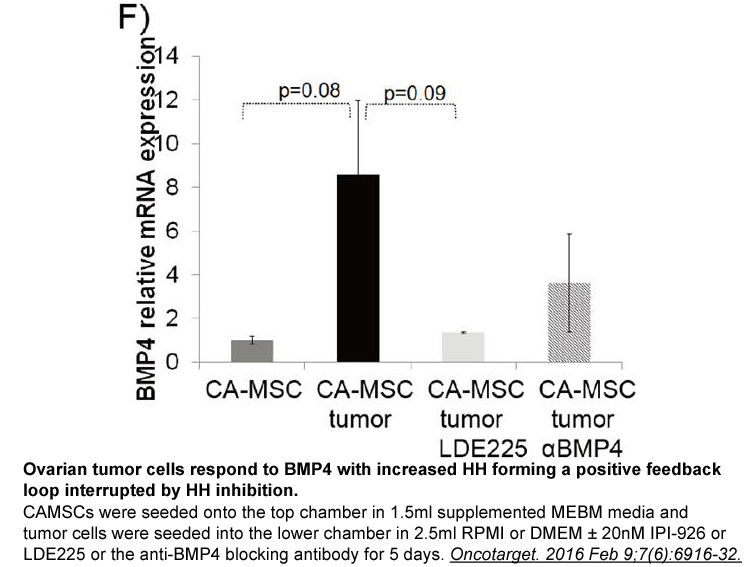
Discussion The model of a NVU described by Mathias et al. (2018) has been implemented on the macro scale (see Kenny et al. (2018b)) via a 2D cerebral tissue slice coupled to a vascular tree. In particular, further communication within the tissue slice has been implemented via extracellular ion e
There are multiple docking platforms suitable for use
2022-03-26
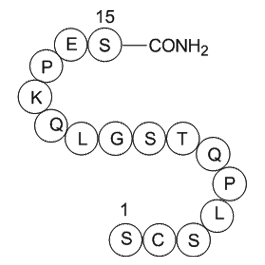
There are multiple docking platforms suitable for use with nucleic orbifloxacin receptors. These include: DOCK v4-6 (UCSF) [[68], [69], [70]], AutoDock (Scripps) [71], AutoDock Vina (Scripps) [72], GOLD (Cambridge Crystallographic Data Centre) [73], Surflex-DOCK (BioPharmics) [74], Glide (Schrӧding
br Materials and methods br
2022-03-26
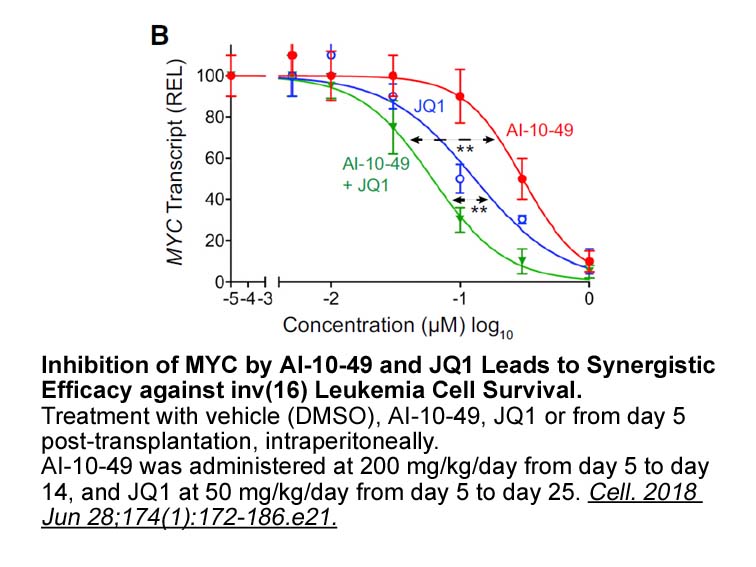
Materials and methods Results Discussion The distribution of FFA1 and FFA4 expressed in normal tissues is distinguishable. FFA1 is expressed in the restricted organ, such as pancreatic beta Metronidazole [18]. In contrast, FFA4 is highly expressed in the lung, gastrointestinal tract, adipo
7997 records 481/534 page Previous Next First page 上5页 481482483484485 下5页 Last page